



Haryana CM Assures No Fuel Shortage Amid Panic Buying, Announces PNG Policy Relief
 Staff@THS


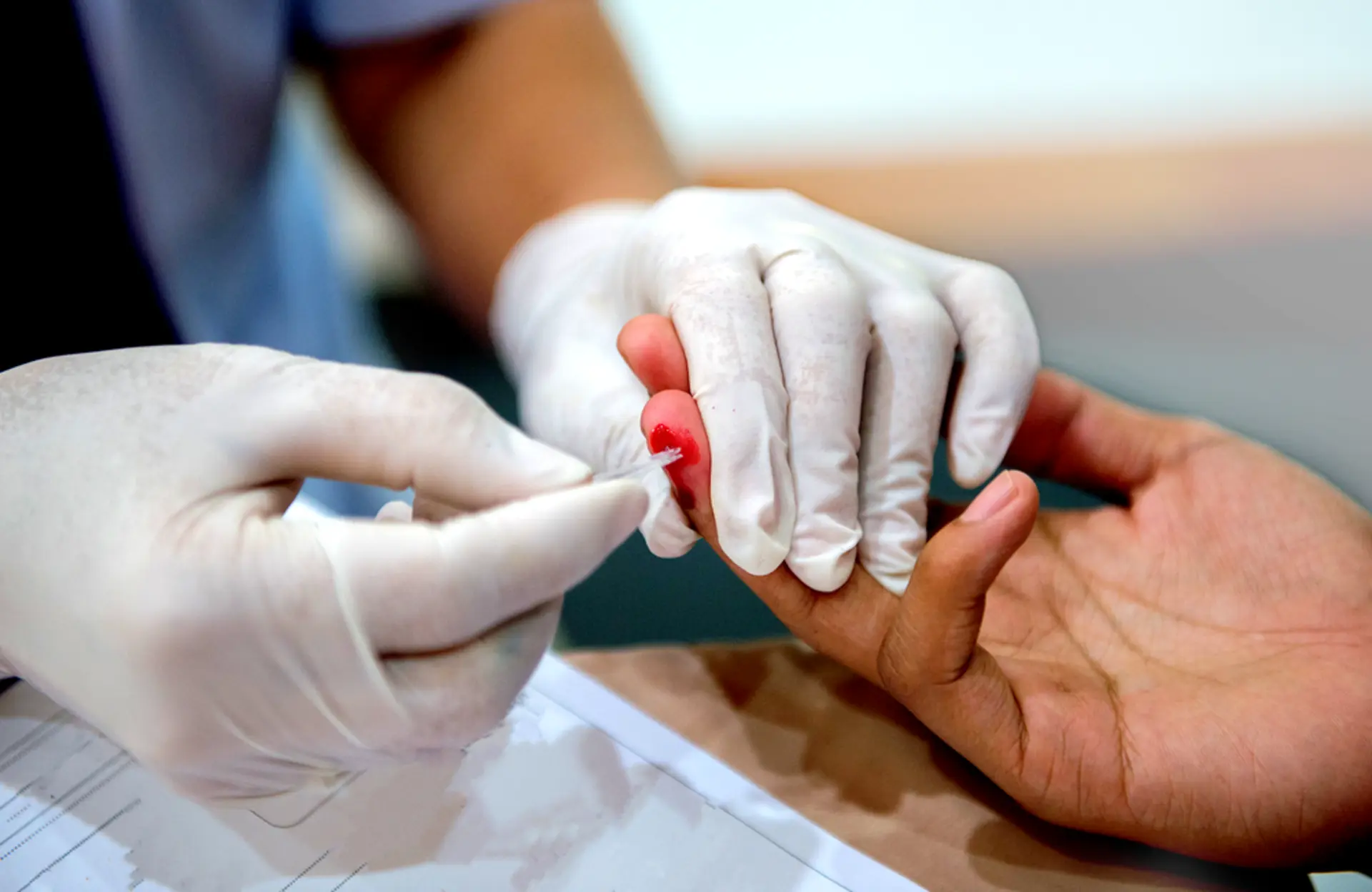
In a significant boost to healthcare infrastructure, the Haryana government has approved the establishment of an HIV viral load testing laboratory at the Civil Hospital in Panchkula.
This will be the second dedicated facility in the state after Rohtak, where such testing is already operational.
Capacity & Cost
According to Additional Chief Secretary (Health) Dr Sumita Misra, the lab has been approved at an annual cost of around ₹1.65 crore and is expected to conduct over 15,000 tests every year.
The cost per viral load test has been fixed at approximately ₹1,100.
Faster Testing, Better Monitoring
Currently, HIV samples from across the state are sent to PGIMS Rohtak, leading to delays in diagnosis and treatment monitoring. With the new lab in Panchkula:
Testing time will reduce significantly
Regular monitoring of patients will improve
Treatment effectiveness can be tracked more efficiently
Viral load testing is crucial for HIV patients as it helps determine how well antiretroviral therapy (ART) is working and detects any drug resistance at an early stage.
Smart Use of Existing Infrastructure
The government plans to utilise existing COVID-19 molecular testing infrastructure at the hospital to fast-track the setup. Additional equipment will be procured as required.
The project has been developed based on recommendations from the Haryana State AIDS Control Society, with technical evaluation by the National AIDS Control Organisation.
No Financial Burden on State
Importantly, the entire cost of establishing and running the lab will be borne by the Centre, ensuring that there is no additional financial burden on the state government.
Step Towards Decentralised Healthcare
Officials say the initiative is part of a broader strategy to decentralise specialised healthcare services and make them more accessible to patients across regions. Once operational, the lab is expected to significantly improve HIV care outcomes, reduce turnaround time for reports, and enhance overall quality of treatment in the state.
Staff@THS
Staff@THS
 simple solution to cheating .webp) Staff@THS
Staff@THS
 Staff@THS