


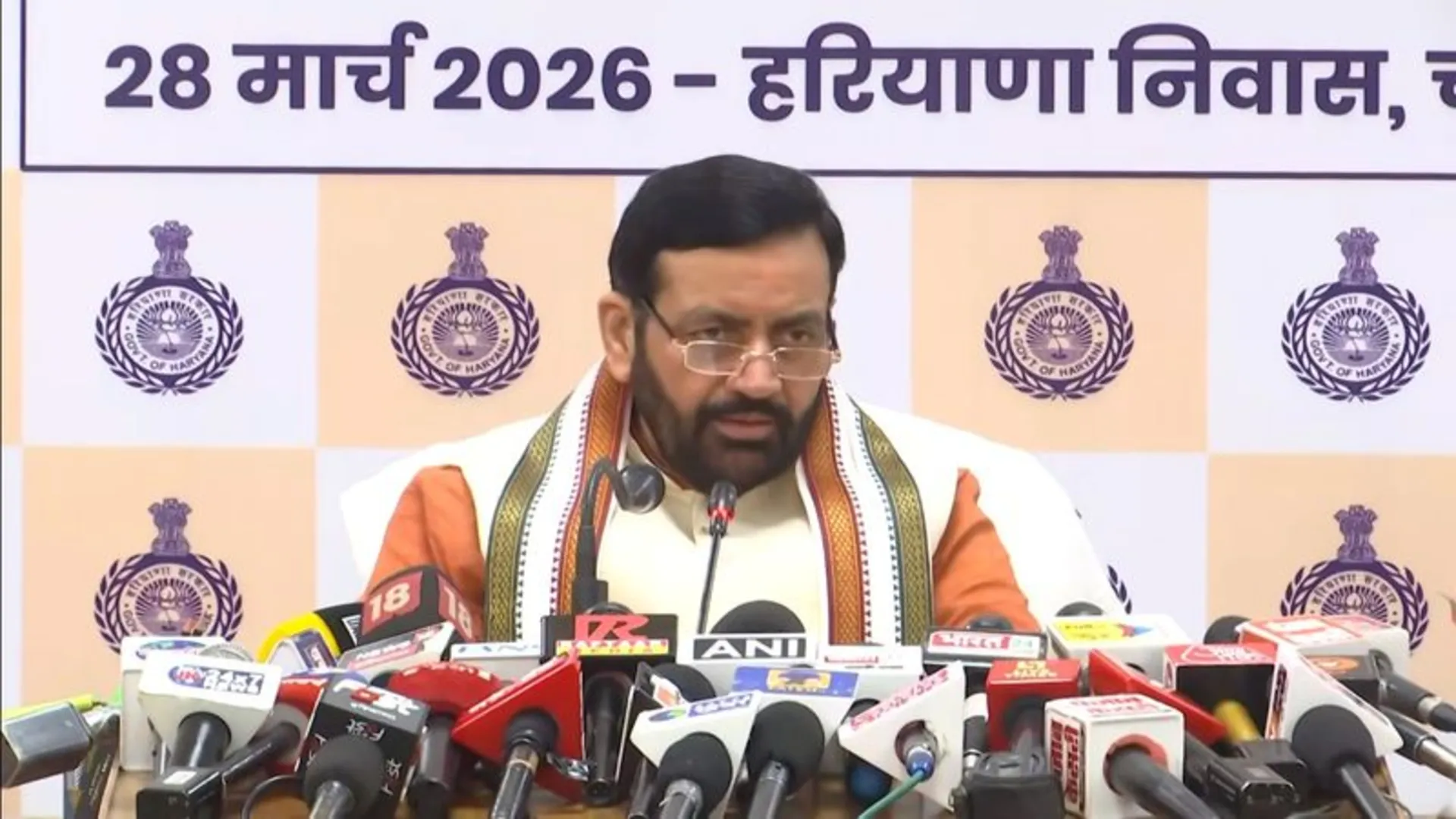
Haryana CM Assures No Fuel Shortage Amid Panic Buying, Announces PNG Policy Relief
 Staff@THS


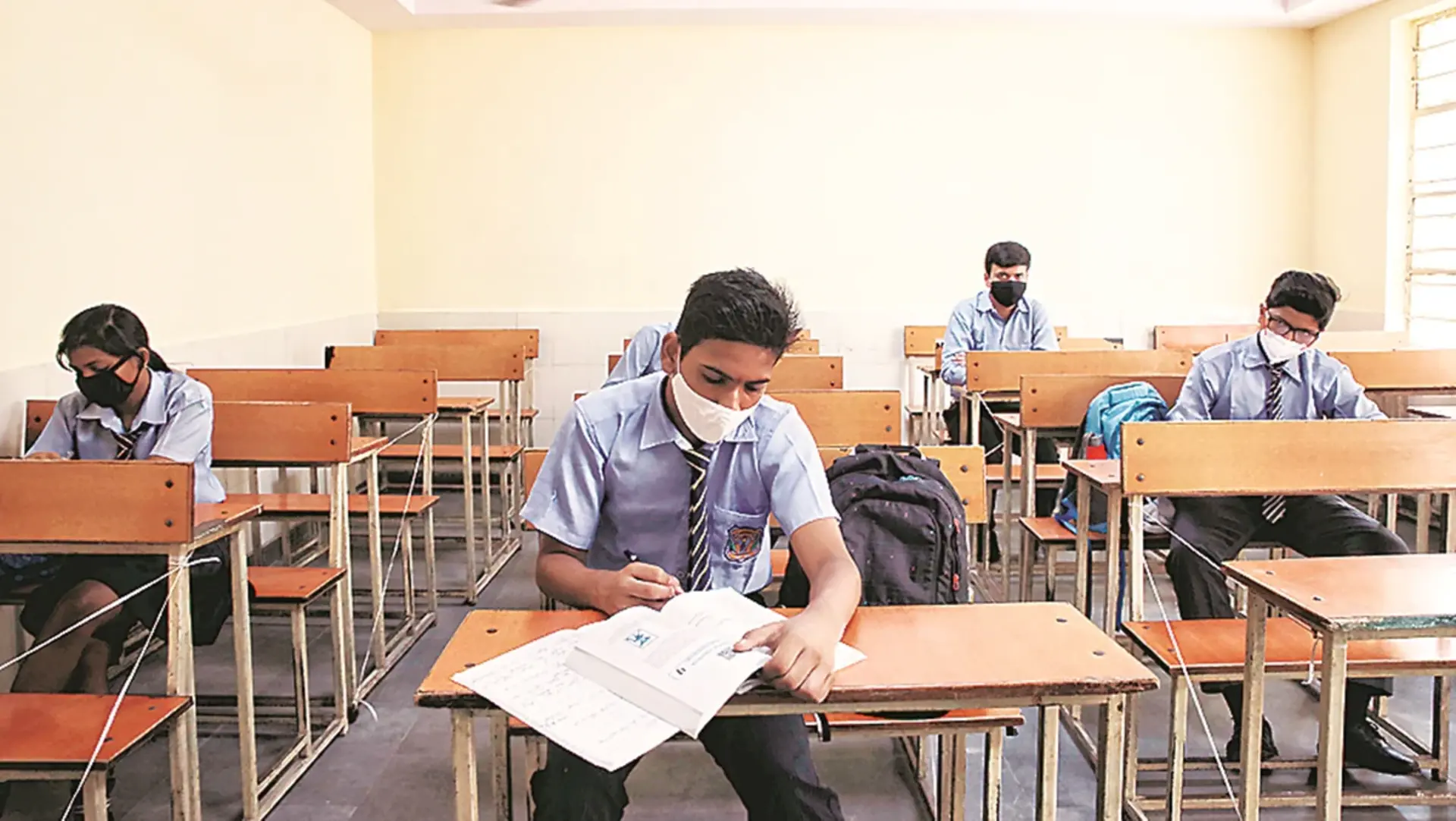
In a move that reflects a tightening of financial control, the Haryana government has asked all schools and education offices to submit details of their bank accounts and fixed deposits.
The decision has been taken in the context of several financial scams and fraudulent activities that have raised questions about the management of public finances.
Why This Move Was Triggered
The decision has been triggered by several financial scams and fraudulent activities. One such scam is related to a scam of ₹150 crore involving municipal accounts in Panchkula. In this scam, there were discrepancies between accounts and bank balances.
In another scam involving Hafed godown in Mahendragarh, there were reports of over ₹4 crore worth of mustard stock going missing. In this context, there were questions about lack of proper monitoring and accountability.
There were also reports of financial scams involving private bank branches where money was being diverted using forged documents.
Schools Asked to Submit Full Financial Details
The Directorate General of Secondary Education has asked all district education officers, elementary education officers, and State Council of Educational Research and Training in Gurugram to submit a detailed report of all accounts.
Officials have been asked to provide a 10-point dataset, including:
New Rules for Bank Accounts
The Finance Department has tightened norms significantly:
Preventive, Not Reactive
Officials say the exercise is largely preventive, aimed at ensuring transparency and avoiding misuse of public funds in the future.
However, the timing makes it clear — the government is responding to systemic gaps exposed by recent scams and is now moving to plug them before further damage occurs.
Staff@THS
 Staff@THS
 simple solution to cheating .webp) Staff@THS
Staff@THS
Staff@THS
Staff@THS