



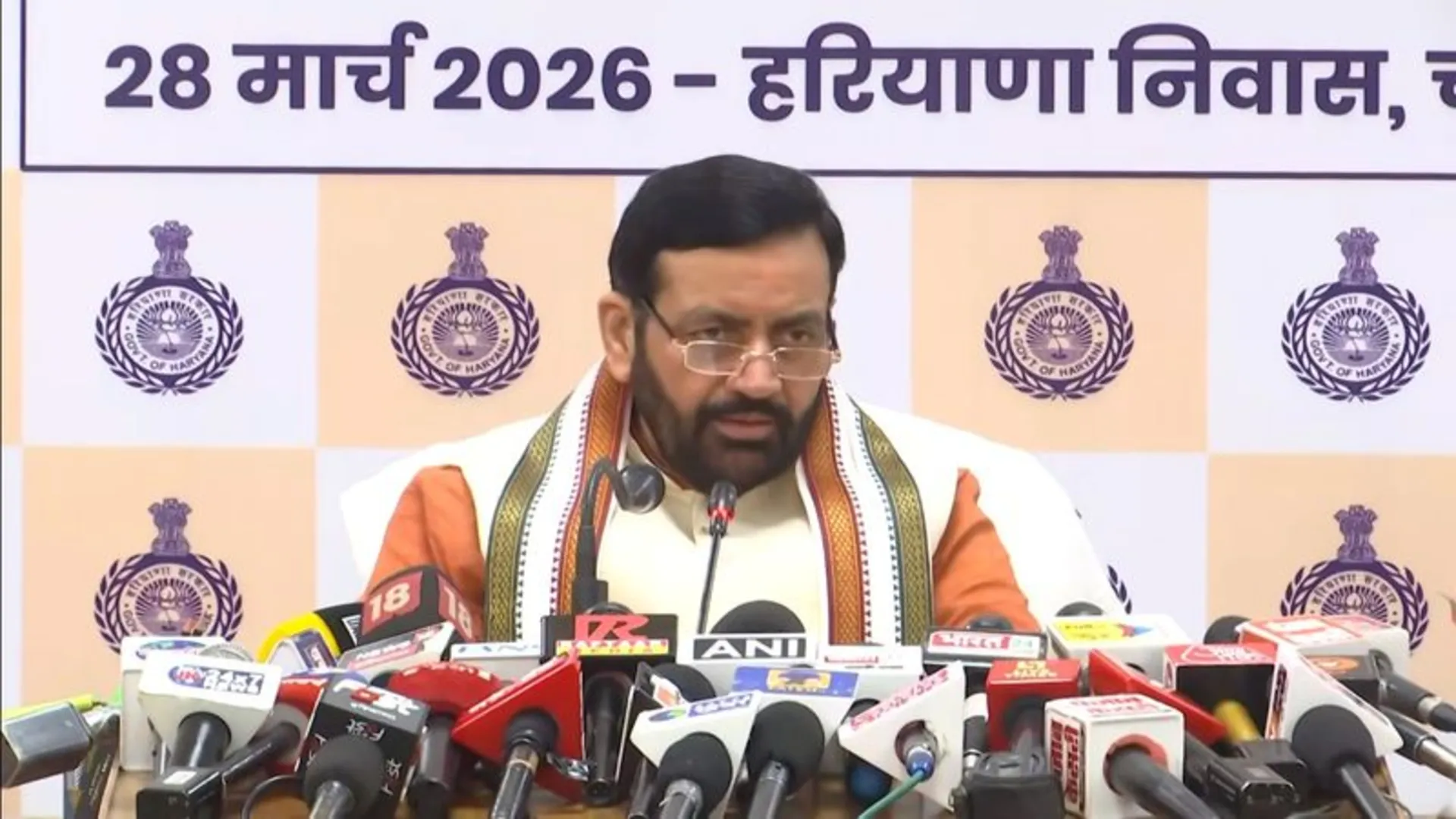
Haryana CM Assures No Fuel Shortage Amid Panic Buying, Announces PNG Policy Relief
 Staff@THS


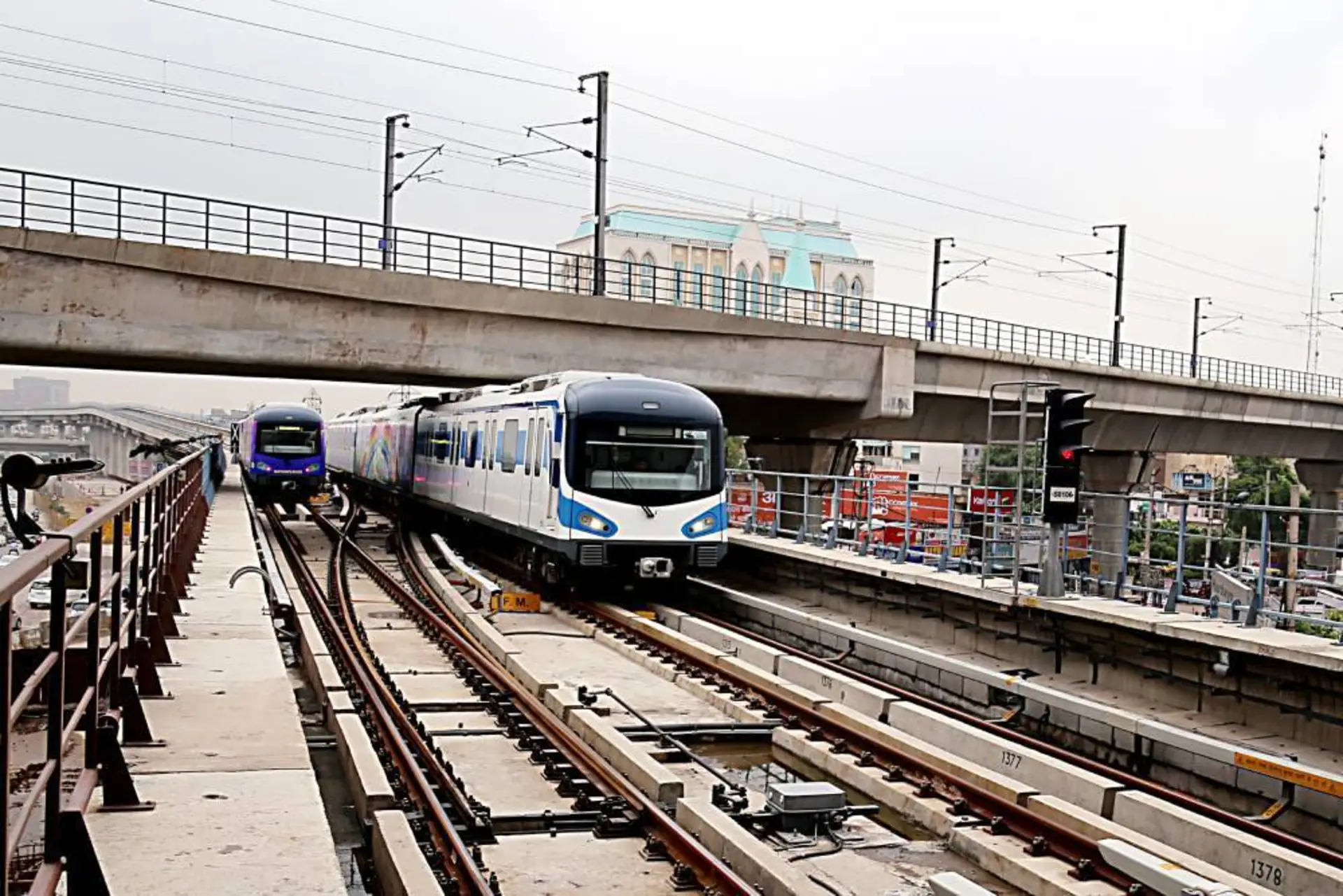
The Rapid Metro Gurgaon has recorded a strong improvement in both ridership and revenue, reinforcing the Haryana government’s plans to strengthen urban and regional transport across the National Capital Region (NCR) and adjoining districts through metro and Regional Rapid Transit System (RRTS) projects.
Chairing a board meeting of the Haryana Metro Rail Corporation (HMRC), Chief Secretary Anurag Rastogi said that between April and November 2025, the Rapid Metro in Gurugram carried 1.27 crore passengers, up from 1.10 crore during the same period last year.
The highest monthly growth was recorded in July 2025, when ridership rose by 22.93%. Other months also witnessed consistent double-digit growth, reflecting growing public confidence in metro services as a reliable mode of daily commuting in Gurugram.
The financial performance of the Rapid Metro has also improved. During the same period, fare revenue increased by 14.06% to ₹23.37 crore, while operational expenditure rose by 7.66%. Officials said the widening gap between revenue growth and cost increase indicates better operational efficiency, improved resource management, and streamlined daily operations.
Metro projects that are in the works:
Among the upcoming projects, the Sector-56 (Gurugram) to Panchgaon corridor is one of the most prominent ones. The corridor has already got the state funding approval and would be constructed over a distance of around 35.25 km, comprising a total of 28 elevated stations. The Detailed Project Report of the corridor has already been submitted, and there would be an interchange at Panchgaon with the proposed RRTS corridor.
Similarly, another upcoming metro extension project is that of Ballabhgarh to Palwal, estimated at 30 km with 18 elevated stations. This is also set to increase mass rapid transport services in south Haryana. Feasibility and alternative analysis reports have been done, and plans are afoot to integrate this scheme into a proposed Namo Bharat route.
There are a number of other elevated corridors planned in Gurugram and NCR, which include Subhash Chowk–Rajiv Chowk–Sohna Road–Railway Station, and Golf Course Extension Road to Sector-5 (through HUDA City Centre). The consultants have been appointed to draw up the detailed project reports.
RRTS and Namo Bharat Network
In north Haryana, the Delhi Metro extension from Narela to Kundli has received in-principle approval. The Haryana government has agreed to provide land and participate in joint property development, improving access to Delhi Metro Phase-IV and benefiting rapidly urbanising regions.
Meanwhile, RRTS projects under the National Capital Region Transport Corporation are progressing rapidly. The Delhi–Shahjahanpur–Neemrana–Behror corridor (approved up to Bawal) and the Delhi–Panipat–Kurukshetra/Karnal corridor have received Public Investment Board clearance.
The approved Delhi–Bawal corridor, with a length of 93.12 km and 13 stations, has an estimated cost of ₹32,327.09 crore, of which Haryana’s share is ₹6,956.74 crore. Officials said these high-speed corridors will significantly cut travel time, boost industrial growth, and strengthen economic integration across the state.
Additional DPRs for the Gurugram–Faridabad–Noida/Greater Noida and Delhi–Rohtak Namo Bharat corridors are also under examination. Authorities believe that coordinated expansion of metro and RRTS networks will ease traffic congestion, reduce pollution, and promote balanced urban development across Gurugram, Faridabad, Panipat, Karnal, and surrounding regions.
Staff@THS
 Staff@THS
 simple solution to cheating .webp) Staff@THS
Staff@THS
 Staff@THS