




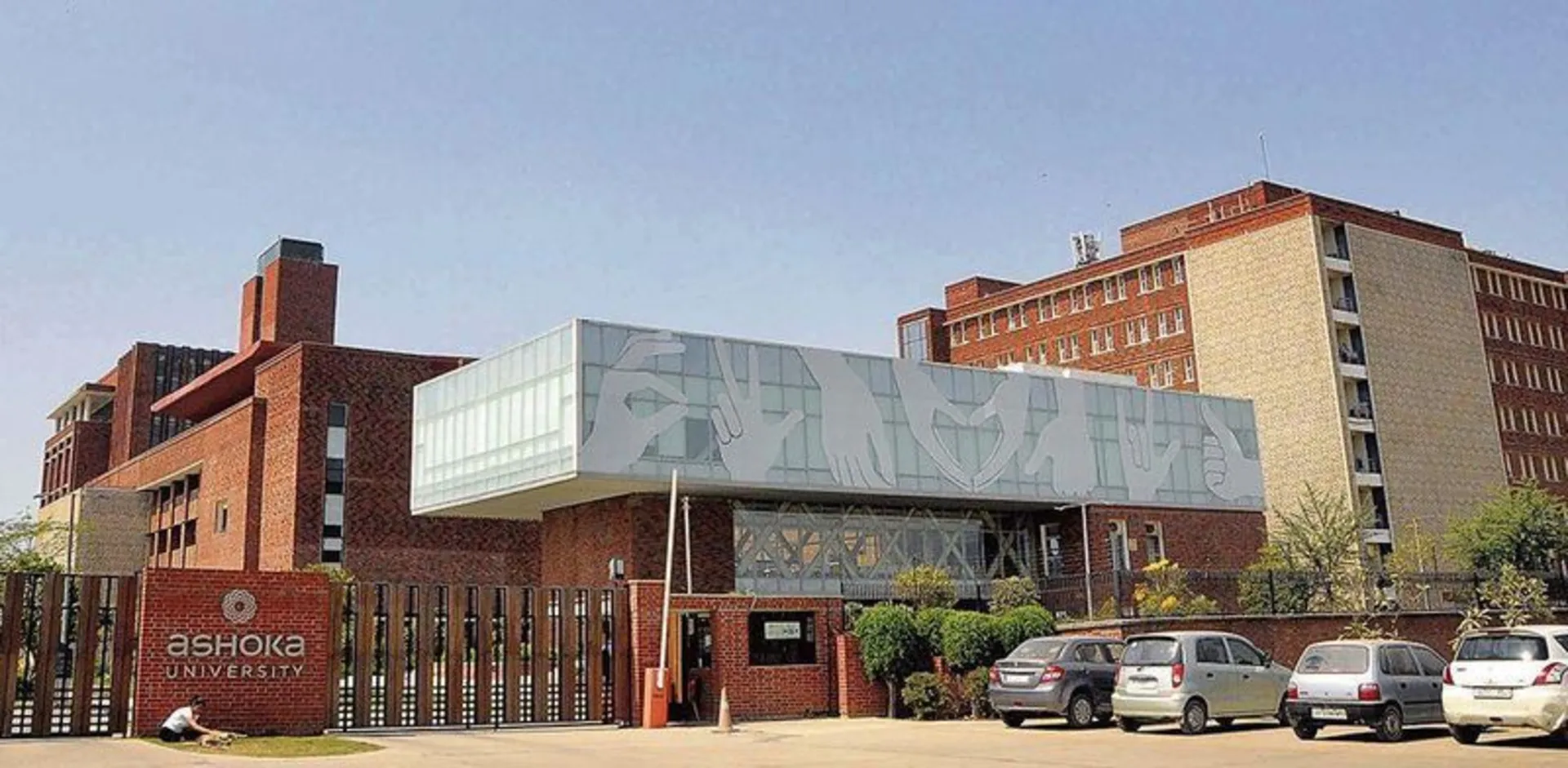
Transgender Ex-Student Case: Haryana Panel Seeks Answers, Family Levels ‘Indoctrination’ Allegations
 Staff@THS



Five workers from Uttar Pradesh died due to suspected asphyxia after inhaling toxic fumes from a coal brazier kept inside a closed hotel room in Kurukshetra, police said on Tuesday. The incident occurred at Hotel Sterling, where the victims were staying for painting work.
The deceased have been identified as Noor (contractor), and labourers Ramkumar, Roshan, Madan, and Sonu, all residents of Saharanpur district in Uttar Pradesh. They had arrived in Kurukshetra on Monday evening after Noor secured a contract for painting work at the hotel.
According to preliminary information, after completing their dinner on Monday night, all five men slept in one room. Due to cold weather conditions, they lit a coal brazier inside the room and shut the doors and windows, which is suspected to have caused the buildup of poisonous fumes.
On Tuesday morning, hotel staff went to the room for routine cleaning but found it locked from inside with no response from the occupants. When repeated attempts to wake them failed, the hotel manager alerted the police.
Police officials reached the spot, broke open the door, and found all five men unconscious. They were rushed for medical examination but were declared dead. The bodies were later shifted to Lok Nayak Jai Prakash District Civil Hospital for post-mortem examination. A coal brazier was recovered from inside the room, and a forensic team was called to examine the site. Police suspect the deaths were caused by suffocation due to inhalation of carbon monoxide emitted from the brazier.
Confirming the incident, Thanesar City SHO Dinesh Singh said the exact cause of death would be confirmed only after the post-mortem reports are received. “The contractor had brought four labourers from Saharanpur for painting work.
A coal brazier was found inside the room with doors and windows closed. The matter is under investigation,” he said, adding that the families of the deceased have been informed. The tragic incident has once again highlighted the dangers of using coal braziers in poorly ventilated spaces, especially during winter.
Staff@THS
 Staff@THS
 Staff@THS
 Staff@THS