
Centre Plans Fast-Track Implementation of Women’s Quota, Parliament Session May Be Extended
 Staff@THS


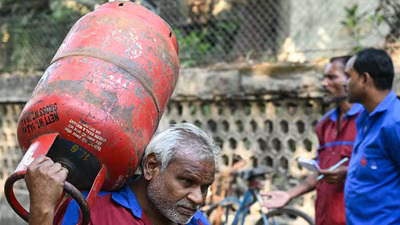
India’s hospitality sector is facing growing anxiety over possible cooking gas shortages after escalating conflict in West Asia disrupted energy shipments through the strategically crucial Strait of Hormuz.= Industry groups say delays in the supply of commercial liquefied petroleum gas (LPG) cylinders are already being reported in several cities, raising concerns that restaurants and hotels could soon be forced to reduce operations or temporarily shut down.
The crisis stems from the ongoing war involving the United States and Israel against Iran, which has slowed shipping traffic through the Strait of Hormuz — one of the world’s most important oil and gas transit routes. India relies heavily on imports for LPG, with nearly two-thirds of its demand met through overseas supplies. Around 85–90% of these imports typically pass through the Strait of Hormuz, making the country vulnerable to disruptions in the Gulf region.
Restaurant industry bodies warn that the situation could escalate quickly if supplies are not restored. The National Restaurant Association of India has cautioned that the sector, which includes more than five lakh establishments, depends almost entirely on commercial LPG for daily operations.
In several cities, restaurants have begun taking emergency measures. Some are reducing menu items that require more gas to cook, while others are exploring alternatives such as induction stoves to conserve existing supplies. The impact is also being felt in Punjab during the ongoing wedding season.
Caterers and marriage palace owners in Patiala say the sudden disruption in LPG deliveries could affect large wedding feasts, with thousands of events scheduled in the coming weeks.
In Bengaluru, restaurant operators reported delays in cylinder deliveries. Many outlets typically maintain only a small reserve of LPG because of safety regulations and depend on regular supply from distributors.
Meanwhile, the central government has stepped in to stabilise the situation. Emergency measures have been initiated to increase LPG production for domestic use, and a committee of oil marketing company officials has been formed to review supply requests from commercial establishments. Officials say the priority is to ensure that household cooking gas remains available without interruption.
India consumes roughly 31.3 million tonnes of LPG annually, of which about 87% is used by households, while the remaining share is consumed by commercial establishments such as restaurants, hotels and catering services.
Industry representatives warn that if the disruption continues for several weeks, the ripple effects could extend beyond restaurants to manufacturing units, small businesses and the broader economy.
For now, restaurant owners and hospitality operators are hoping that energy shipments through the Gulf stabilise soon and that supply chains return to normal before the situation leads to widespread closures.
Staff@THS
 Staff@THS
Staff@THS
Staff@THS
 Staff@THS