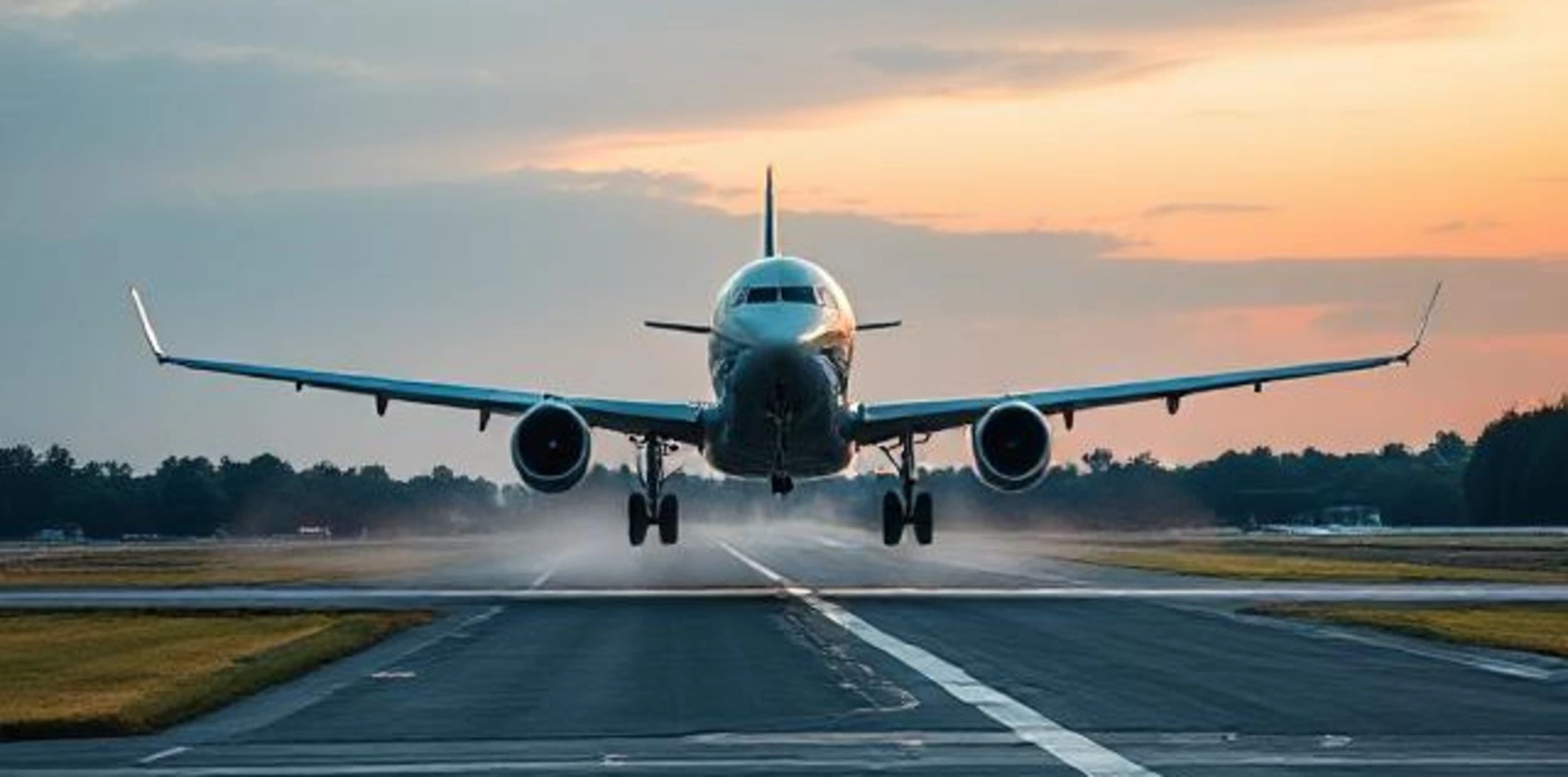
Hisar Airport Takes Off: 1,000+ Flights in a Year, Ahmedabad & Jammu Routes Likely Soon
 Staff@THS



As the popular “2016 vs 2026” trend gathers momentum on social media, residents of Gurugram have joined the conversation to underline a harsh reality — despite a decade passing, the city continues to battle the same civic and infrastructure problems.
Through side-by-side photos, videos and personal accounts, residents are comparing Gurugram’s condition in 2016 with that of 2026, highlighting that issues such as waterlogging, massive traffic snarls and poor sanitation remain largely unresolved. The trend has brought renewed attention to the city’s recurring monsoon crises, popularly dubbed “Gurujam”, and chronic urban flooding.
Many users have shared visuals of Gurugram’s first major flash floods and traffic chaos in 2016 alongside images from heavy rains in late 2025, pointing out the striking similarities. “In 2016, Gurgaon saw its first floods and traffic collapse. Ten years later, Gurgaon has become Gurugram, but floods and jams have become a permanent feature,” wrote a resident on social media.
Beyond floods and traffic, citizens have flagged a long list of stalled or slow-moving projects. These include a new civil hospital, a modern bus stand, a world-class railway station, Metro expansion, RRTS connectivity, 24-hour water supply, and the long-pending Wazirabad stadium. Sanitation issues and the unresolved Bandhwari landfill problem have also resurfaced in online discussions, with residents alleging that the same neighbourhoods have suffered for nearly a decade.
The opposition Congress seized on the public sentiment to attack the BJP government. Senior Congress leader Capt Ajay Yadav said Gurugram’s basic infrastructure had seen little improvement over the past ten years. He pointed out that successive Chief Ministers had chaired grievance committees for the city, yet fundamental problems persisted. Comparing Gurugram with neighbouring NCR cities like Noida and Ghaziabad, he said Metro expansion there had been rapid, while Gurugram’s network remained stagnant.
Responding to the criticism, the office of Gurugram MP and Union Minister Rao Inderjit Singh rejected allegations of stalled development. A spokesperson said major projects such as the Dwarka Expressway had been completed, Metro expansion work had begun, and Cabinet approval for RRTS was expected soon. He added that around ₹300 crore was being spent on modernising the railway station and that delays in some projects were due to technical challenges, which were being addressed.
As the online debate intensifies, the “2016 vs 2026” trend has once again put Gurugram’s governance and urban planning failures under the spotlight, forcing both residents and political leaders to confront an uncomfortable question — why has so little changed in a decade?
Staff@THS
 Staff@THS
 Staff@THS
 Staff@THS