




Hisar Airport Takes Off: 1,000+ Flights in a Year, Ahmedabad & Jammu Routes Likely Soon
 Staff@THS


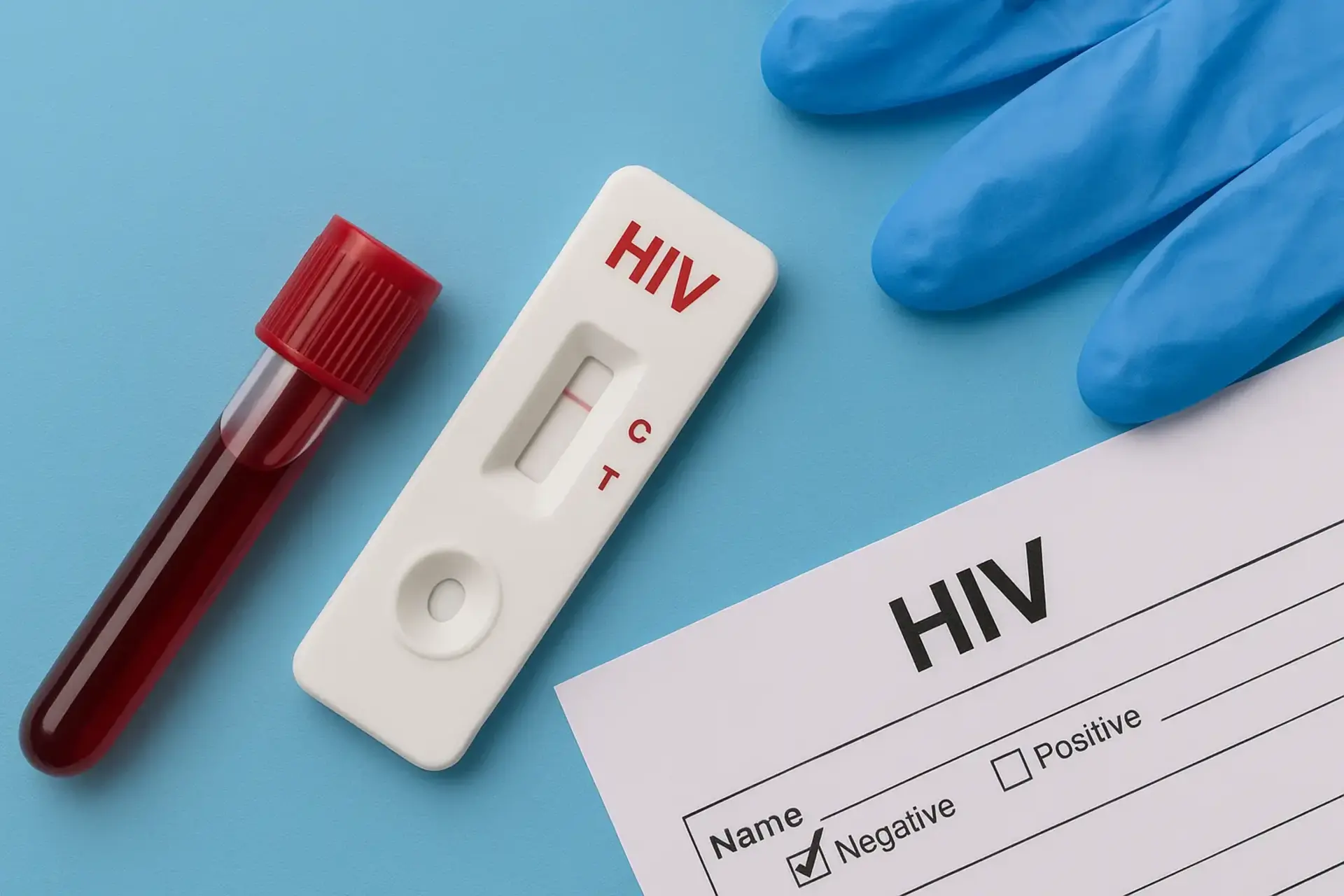
Haryana has stepped up its fight against HIV/AIDS, conducting more than 12.40 lakh HIV tests during the current financial year. According to Additional Chief Secretary (Health) Dr. Sumita Mishra, between April 2025 and January 2026, a total of 12,40,205 people were screened, out of which 5,877 tested positive.
The state currently operates 104 Integrated Counselling and Testing Centres (ICTCs), including a mobile unit in Faridabad, offering free and confidential services.
Focus on Maternal Health
As part of its prevention strategy, 5,65,830 pregnant women were tested this year, with 613 found HIV positive. All identified cases were linked to timely treatment to prevent mother-to-child transmission.
Treatment Infrastructure Expanded
Haryana has established 24 Anti-Retroviral Therapy (ART) centres across major districts including Rohtak, Gurugram, Faridabad, Karnal, Hisar, Ambala and Mewat. Of these, 13 new centres have been set up in medical colleges. Additionally, five Facility Integrated ART centres and four Link ART centres are operational. Currently, 40,851 patients are receiving life-saving treatment.
Under a monthly financial assistance scheme launched in December 2021, eligible beneficiaries receive ₹2,250 per month. So far, ₹54.3 crore has been disbursed.
Targeted Interventions and Awareness
The state is also strengthening prevention efforts through 31 designated clinics providing free counselling and syphilis testing. Forty-two targeted intervention projects are working with high-risk groups such as female sex workers, MSM communities, intravenous drug users, truck drivers and migrant workers.
Twelve Opioid Substitution Therapy (OST) centres and three satellite units are functioning, with 9,014 registered patients, of whom 4,569 are under regular treatment.
Mass awareness campaigns through radio jingles, digital displays, cinema ads, SMS and social media are ongoing. Red Ribbon Clubs in 3,397 schools and 429 colleges have organised rallies and awareness drives, reaching over 49,000 individuals. The state’s intensified approach reflects a multi-sectoral strategy combining testing, treatment, financial support and public awareness to curb HIV transmission and reduce stigma.
Staff@THS
 Staff@THS
 Staff@THS
 Staff@THS