



Hisar Airport Takes Off: 1,000+ Flights in a Year, Ahmedabad & Jammu Routes Likely Soon
 Staff@THS


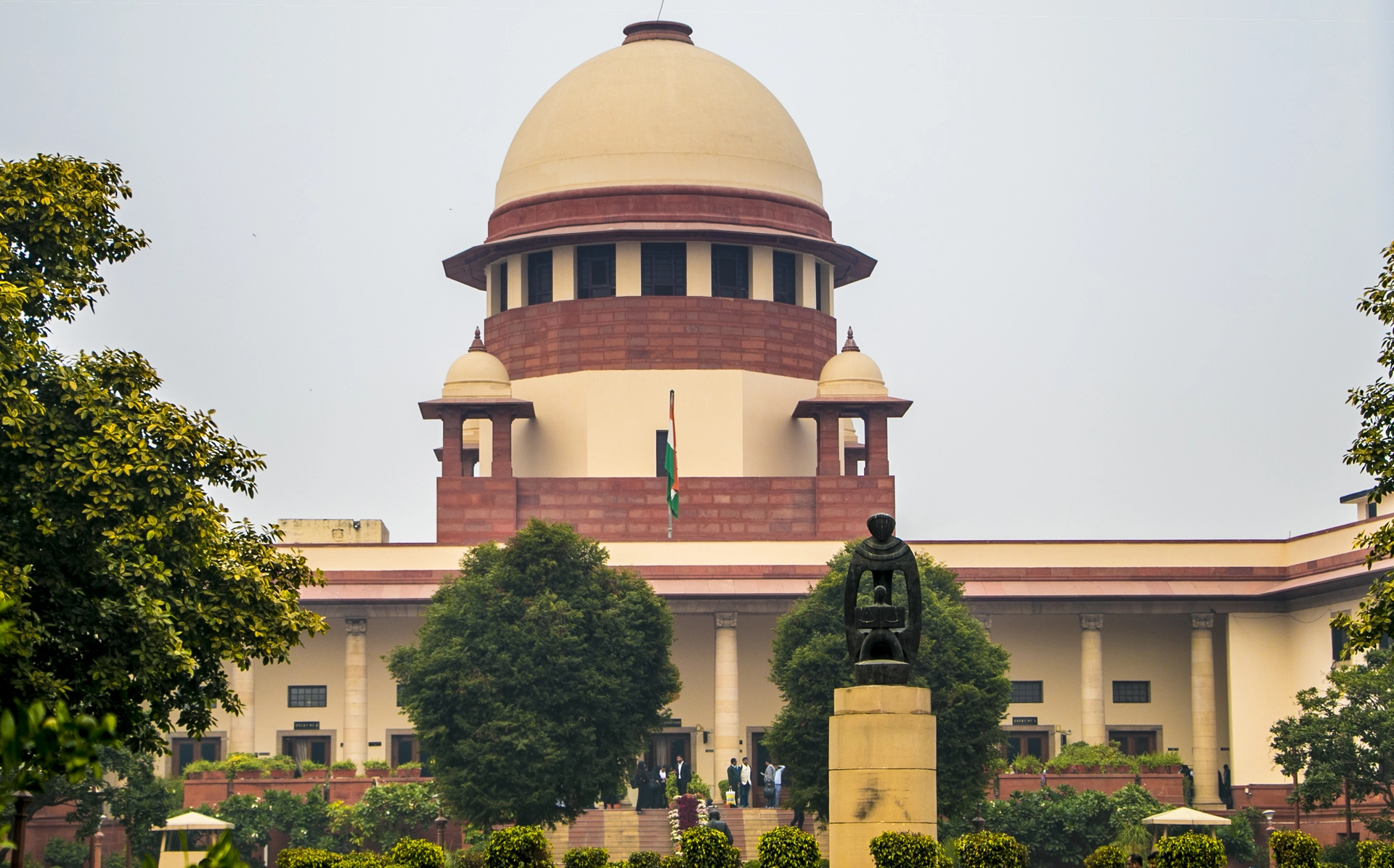
In a significant development for judicial aspirants, the Supreme Court of India has asked the Punjab and Haryana High Court to “sympathetically consider” relaxing the minimum 45% marks requirement for Scheduled Caste (SC) candidates in the Haryana Civil Judge (Junior Division) examination.
However, the top court made it clear that it would not interfere with the High Court’s earlier decision on the legal merits of the case.
No Fault Found in HC’s Decision
The case arose from a petition filed by Diksha Kalson, who challenged her exclusion from the selection process after scoring 493.10 marks — just 1.9 marks short of the required 495. The High Court had dismissed her plea, citing Clause 33 of the recruitment advertisement, which clearly bars re-evaluation of answer sheets. The Supreme Court upheld this reasoning, stating there was no legal error in the High Court’s judgment.
Window for Relief Still Open
Despite backing the High Court’s legal stance, the Supreme Court opened a possible path for relief. The Bench, led by Chief Justice Surya Kant, allowed the petitioner and other similarly placed candidates to approach the High Court on its administrative side.
The court suggested that their request for relaxation of the 45% minimum marks condition be considered sympathetically.
Concern Over Vacant Reserved Posts
A key concern raised during the hearing was that out of 39 vacancies reserved for SC candidates, only nine were filled. This left 30 positions vacant, strengthening the argument for reconsidering the eligibility threshold.
The court noted that candidates who are higher in merit but fall marginally short of the cutoff should be given an opportunity to seek relief through representation.
What This Means
The ruling does not change the selection criteria directly, but it signals judicial sensitivity towards representation gaps in reserved categories.
Now, the decision rests with the High Court’s administrative side — whether to relax the qualifying marks and fill the remaining vacancies.
For many candidates, this could be a crucial second chance.
Staff@THS
 Staff@THS
 Staff@THS
Staff@THS
Staff@THS